Resource Centre
36 free, printable guides covering daily routines, communication, sensory support, school, and more.
Visit the Resource CentreHope Beyond Diagnosis supports children, families and caregivers living without a diagnosis — with trusted resources, real community, and hope while the answers are still being found.
Find a WhatsApp group matched to your child's age and needs, or browse 36 free resources you can use today.
Find your people Get involvedGive an hour a week, partner as a school or business, or bring research expertise — see every honest way to help.
See how to collaborate New hereRead why a 15-year-old built this for his brother, and where the organisation honestly stands today.
Read our storyWhatever stage of the journey you're on, there's a place to start here.
36 free, printable guides covering daily routines, communication, sensory support, school, and more.
Visit the Resource CentreSmall WhatsApp support groups matched to your child's age and needs, reviewed by a real person.
Join our communityA space for families to share their journey — empty and honest until real stories arrive.
Read or share a storyA brand-new organisation, built from a real family's experience of searching for answers.
Many children live for years without a diagnosis. While specialists run tests and families wait for answers, day-to-day life doesn't pause — school still needs navigating, siblings still need attention, and parents still need to sleep, eat, and hold on to some sense of themselves. Support services are often built around a diagnosis code, which can leave undiagnosed families feeling like they don't quite belong anywhere.
Hope Beyond Diagnosis exists to make sure no family feels forgotten while they search for answers. We bring together practical resources, honest community, and hope — not a diagnosis, and not medical advice, but the things that make an uncertain journey a little more bearable.
We want to grow, slowly and honestly, into one of the places families are pointed to the moment "we don't have an answer yet" enters the conversation — a place that offers something useful on day one, not just sympathy.
Never clinical, never judgmental — every page is written for a tired parent at the end of a hard day.
We'd rather say "we're new at this" than pretend to be something we're not. Trust is earned slowly.
No family should have to feel like they're the only one facing this. We exist to close that gap.
Free resources, plain language, and a site built to work for every family, every device, every ability.
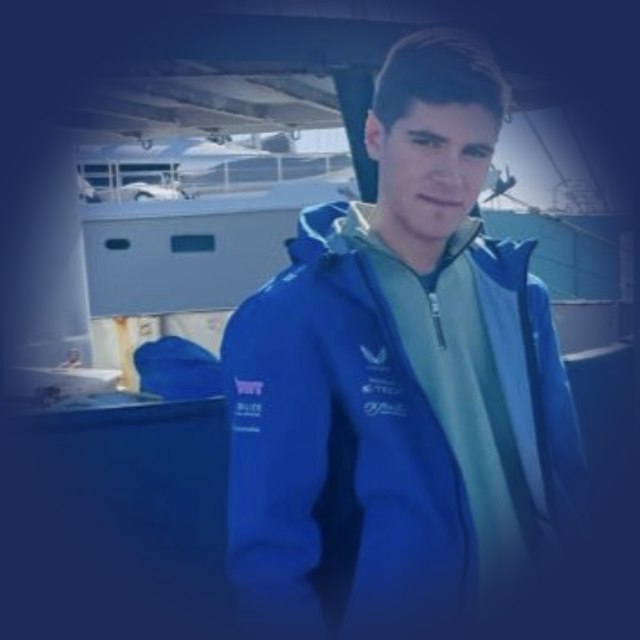
My name is Julio Cantón García. I'm 15, originally from Almería, Spain, and now living in Ireland. Hope Beyond Diagnosis started because of my younger brother, Pablo, who's nine and lives with an undiagnosed condition.
For a long time, my family has lived with more questions than answers — appointment after appointment, test after test, and still no name for what my brother experiences. "Watching my family go to appointment after appointment, test after test, and never quite getting an answer is what made me want to build something," as I put it in an interview with RARE Youth Revolution Magazine. I watched my parents carry that uncertainty every day, and I saw how isolating it could feel when the support systems around us seemed built for families who already had a diagnosis to point to — so many families are stuck in exactly that in-between place. There wasn't always a clear place to turn for practical help, for people who understood, or even just for a bit of hope on the harder days.
That's what pushed me to start building something myself. I began reaching out to organisations, researching what families like mine actually needed, and slowly putting together the idea for a platform that could hold all of it in one place — practical resources, a real community, family stories, and a reminder that no family has to face this alone. Two of the resources I come back to most myself are the sibling support guide and the parent wellbeing checklist in our Resource Centre.
Watching my family go through the uncertainty, the fear, and the isolation of not having a name for what he was experiencing — and how hard it was to find the right resources and support — is what led me to build this. If I'm honest, the hardest part is probably the uncertainty — not knowing, and thinking about what's going to happen to him in the future. But I believe other families should get to know other families, so they don't feel alone in it — which is exactly what I wanted this platform to make possible. I wanted to create the kind of place I wish had existed for us: somewhere with practical resources, a community that understands, and a bit of hope on the days when there aren't any answers yet.
Hope Beyond Diagnosis does not provide medical advice, and I'm not a medical professional. Its purpose is support, education, hope and connection — the things that were hard to find during my own family's journey, offered here so other families don't have to search as hard.
"Every child deserves support, even without a diagnosis."
"Watching my family go to appointment after appointment, test after test, and never quite getting an answer is what made me want to build something."
Born from watching a family search for answers with nowhere central to turn.
A symbol of two parents, a child held safely, and a guiding star.
Instagram and TikTok began sharing the mission publicly.
This site — including our first 12 free resources — went live.
Schools, hospitals, universities and charities — we're just beginning these conversations.
A safe, moderated space for families to connect directly — in development.
Thirty-six free, printable resources to start with today — covering daily routines, communication, sensory support, school meetings, sibling support, and more. More are added as the platform grows.
Every resource here is written to support and inform families — never to diagnose, treat, or replace the professionals involved in your child's care. Always follow your own care team's guidance.
Showing all 36 resources
A simple picture/word schedule template to make daily routines predictable and visible.
Download PDFQuestions to ask, what to bring, and how to leave every appointment with real answers.
Download PDFGet ready for an IEP, EHCP, 504 Plan or support-plan meeting with confidence.
Download PDFPrintable cards for children who are non-verbal or find words hard to reach for in the moment.
Download PDFWhat sensory overload can look like, and gentle first steps that help at home and out in the world.
Download PDFHelping brothers and sisters feel seen, understood, and allowed their own feelings too.
Download PDFA permission slip, in checklist form, to look after yourself while you look after your child.
Download PDFA short, predictable wind-down routine to help signal that sleep is coming.
Download PDFLow-cost activities using things you already have at home — pick one or two a week.
Download PDFA getting-started checklist for finding what support actually exists where you live.
Download PDFCarrying the specific uncertainty of "no diagnosis yet" a little more gently.
Download PDFNew here? What we are, what we’re not, and where to go next.
Download PDFWhat OT actually works on and how to get the most from it.
Download PDFWhat PT typically covers and how to prepare for the first session.
Download PDFWhat it covers beyond just talking, and how to support progress at home.
Download PDFA plain-language starting point for augmentative and alternative communication.
Download PDFConcrete tools to help a child manage big feelings before they overwhelm.
Download PDFUnderstanding the difference changes how you respond in the moment.
Download PDFA simple structure to help your child know what to expect in new situations.
Download PDFA one-page summary any caregiver could use in an emergency.
Download PDFWhat respite care is and how to actually find it — a real service, not a luxury.
Download PDFWhat the process commonly looks like, and what an inconclusive result means.
Download PDFA reusable way to explain your child’s condition without exhausting yourself.
Download PDFWhat to pack and how to prepare your child, planned or urgent.
Download PDFPractical habits for effective advocacy, no special title required.
Download PDFLow-cost ways to build a calming sensory space at home.
Download PDFA more useful way to think about screens than a strict time limit.
Download PDFReal preparation that makes travel possible and enjoyable.
Download PDFSmall adaptations that make gatherings work for your whole family.
Download PDFA simple reference for keeping track of who’s who in your child’s care.
Download PDFA simple daily log that can reveal patterns easy to miss in the moment.
Download PDFTrack sleep patterns over two weeks before a medical appointment.
Download PDFA written plan that makes it easier to actually accept help from others.
Download PDFA practical checklist for the run-up to a new school year or placement.
Download PDFA general starting orientation — laws vary by country and region.
Download PDFA simple filing system that saves real time and stress later.
Download PDFTry a different word, or clear the filters above. If there's a resource you wish existed, tell us — we're building this library based on what families actually need.
We're brand new. Rather than pretend to have all the answers ourselves, here are established, credible organisations doing this work at scale — credited and linked directly, not recreated by us.
A network of over 1,000 disease advocacy organisations, supporting families since 1986.
Free clinical genome sequencing for undiagnosed children in under-resourced communities worldwide.
Plain-language help understanding your genetic privacy and non-discrimination rights.
A free guide from Genetic Alliance for communities building patient registries.
Genetic Alliance's free online tool for gathering and organising your family's health history.
Secure infrastructure for managing your family's health data and choosing how it's shared with research.
A Genetic Alliance database covering over 10,000 conditions, support organisations and research links.
Genetic Alliance's open knowledge base for advocacy skills and organisation-building.
These are independent organisations, linked with credit — Hope Beyond Diagnosis is not affiliated with or endorsed by them unless stated otherwise.
This library is built around real family needs, not a checklist. If there's something you've been searching for and can't find anywhere, let us know.
This space is empty right now, and that's the truth — we've only just launched. If your family is on this journey, we'd be honoured to share your story here.
We didn't want to invent stories to make this page look busier than it is. Every story published here will be a real family's, with their permission, reviewed before it goes live. Nothing you send is stored automatically — it exists only as the email or WhatsApp message we receive, which we save ourselves before anything is considered for publishing.
The fastest way is the form below — it saves directly and stays in our system, so nothing gets lost. Prefer email or WhatsApp instead? Scroll down for that option too.
This still works — it just means we copy your story into our system ourselves after reviewing it, so it may take a little longer to appear.
We don't have an in-site messaging system yet — for now, our groups live on WhatsApp. Tell us a little about your child below, and we'll personally add you to the group that fits best.
This isn't automated — every request is reviewed by a real person before anyone is added to a group, and groups are small and early. Please don't share your child's full name or any identifying details here; a first name or "my son/daughter" is all we need.
This short form asks about your child's age, main challenges, and what kind of support you're looking for. We read every response ourselves and personally add you to the WhatsApp group that fits best — usually within a day or two. Please don't include your child's full name.
Groups are grouped by age range and focus area, kept small on purpose while we're just starting out.
Proper in-site messaging with reporting and moderation tools is still planned — WhatsApp groups are the honest, working version for today.
Every join request is read and matched by a real person before anyone is added — never automatic.
We're a brand-new, family-led organisation — which means there's no long queue to join and no gatekeeping to get through. Whatever you can offer, from an hour a week to a formal partnership, there's a real, honest way to plug in below.
We have no paid staff, no offices, and no formal partners yet — this whole organisation is run by volunteers around their normal lives. That's not a weakness to hide; it means the people who join in the next few months will genuinely shape what Hope Beyond Diagnosis becomes, not fit into something already fixed.
Writers, designers, translators, moderators, admin help — whatever skill you have, there's probably a use for it here. A few hours a week is genuinely enough to matter this early on.
Schools, hospitals, therapy practices, charities and businesses — there's a genuine opportunity to help shape what a formal partnership with us looks like, from the very beginning.
Universities and researchers already studying undiagnosed and rare conditions — we can offer an honest, no-pressure connection to families living this experience day to day.
Everyone here gives their own time around school, work and normal life. This is who's already part of the team — and there's room for more.
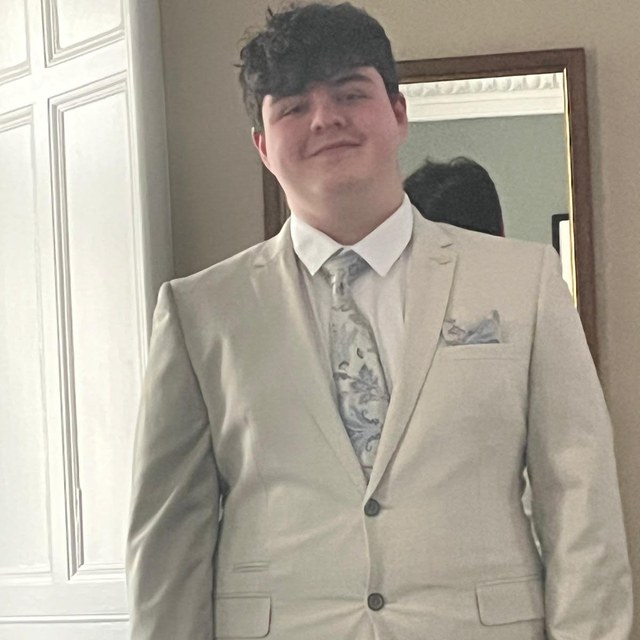
I became interested in joining Hope Beyond Diagnosis because I saw an opportunity to contribute to an important cause that addresses an area of healthcare that is often overlooked. Many children and parents face uncertainty when they cannot access a diagnosis or the support they need, and this can make it difficult for families to understand what their child may be experiencing.
I believe Hope Beyond Diagnosis can provide a sense of support and hope to families who may otherwise feel overlooked or unsure about where to turn — and I wanted to help it grow, raise awareness and reach more people who could benefit.
As part of the team, I help with social media, communications and content, drawing on graphic design, editing and writing I've picked up through my own projects. I contribute around one day a week, and most of all I hope to help build a welcoming, approachable community — I'm not a medical professional, but I want to be someone people feel comfortable talking to.
If none of these tracks quite fits — or you just want to talk it through with a real person first — send us a message directly and we'll figure out the right next step together.
We're a brand-new organisation with no formal partnerships yet — which means there's a real opportunity to help shape this from the very beginning.
Sharing resources with families, or helping us learn what schools actually need from us.
Guidance, research links, and credibility as we grow our resource library responsibly.
Clinical insight so our resources stay genuinely useful and appropriately cautious.
Shared reach, co-hosted awareness, and eventually — sponsorship, once we're ready for it.
Send it via email or WhatsApp — whichever you'll actually see first.
We're just starting out, so early volunteers genuinely shape what this organisation becomes. Tell us a bit about yourself below.
We're a brand-new organisation — there's nothing on the calendar yet, and we'd rather leave this page honestly empty than invent something. Fundraisers, awareness walks and volunteer meetups will appear here once they're real.
If you'd like to help organise an awareness event or fundraiser in your area, we'd love to hear the idea. Get in touch.
No. We are not medical providers, and nothing on this site is medical advice. We provide support, education, and community resources meant to complement — never replace — your child's actual care team.
No. Every resource in the Family Resource Centre is free to download, and we intend to keep it that way.
Not yet. We haven't set up a donation system, and we didn't want to add a Donate button before we could handle funds properly and transparently. This page will be updated the moment that changes.
Visit the Family Stories page and use the form there — send it by email or WhatsApp, whichever you check more often. You can stay fully anonymous if you'd prefer, and nothing is published without your permission.
No — being fully honest, there's no database yet. Every form on this site (contact, volunteer, partner, story, community) opens a pre-filled email or WhatsApp message for you to send. We personally read, save, and act on each one ourselves; nothing sits on a server in between.
Visit the Community page and fill in the short form about your child's age and needs. We'll suggest the group that fits, and you can request to join over WhatsApp or email — a real person reviews every request before adding anyone.
Yes — this organisation exists specifically for families in exactly that position. Many of our resources are written with the undiagnosed journey in mind.
Visit the Partners page and use the enquiry form there. We're brand new and don't have any formal partnerships yet, so early conversations genuinely shape what this becomes.
Whether it's a question, a resource suggestion, or just to say hello — every message is read by a real person.
We'd rather wait and set up donations properly — transparently, securely, and accountably — than rush a "Donate" button onto the site before we're ready. Here's what we're planning for the future.
Clear, honest progress bars for specific, named goals — not a generic donation box.
Structured partnership tiers for businesses who want to support the mission directly.
Public, optional recognition for the people and businesses who help fund the mission.
Join the newsletter on our homepage, or get in touch directly.
Last updated: July 2026
Hope Beyond Diagnosis ("we", "us") is a newly-founded organisation supporting families of children with undiagnosed conditions and disabilities. This policy explains, plainly, what happens with information you share with us.
At this stage of the website, we do not operate user accounts, and forms on this site (contact, volunteer, partner, and story submissions) open your own email application rather than submitting data to a server we control. If you subscribe to our newsletter, we collect your email address in order to send occasional updates.
Stories submitted for publication are reviewed by us before anything is published, and are never published without the submitter's explicit permission. You may request anonymity, and you may request removal of a published story at any time by contacting us.
We ask for very limited information about children (such as an optional age range) only where a parent or guardian chooses to share it, and only for the purpose of context in a story or resource request. We do not knowingly collect information directly from children.
As this platform grows to include accounts, a community space, and other features, this policy will be updated to reflect exactly what data is collected, how it's stored, and how it's protected — before those features launch, not after.
Questions about this policy can be sent to [email protected].
Last updated: July 2026
Hope Beyond Diagnosis is not a medical provider. Nothing on this website — including downloadable resources, articles, or community content — constitutes medical, legal, or financial advice. Always consult qualified professionals regarding your child's specific situation.
Resources in the Family Resource Centre are free to download and print for personal, family, or classroom use. Please don't resell them or present them as your own work.
When community features open, all members will be expected to follow published community guidelines centred on kindness, honesty, and safety — particularly given that this community exists to support families of children with disabilities and undiagnosed conditions. Harassment, medical misinformation, and solicitation will not be tolerated, and reported content will be reviewed by an administrator.
This site does not currently process donations of any kind. Any communication claiming to collect donations on behalf of Hope Beyond Diagnosis should be treated as fraudulent and reported to us immediately.
As the platform grows, these terms will be updated, particularly once accounts, community features, and donations are introduced.
Questions can be sent to [email protected].
Many families who visit this site are already navigating enough friction elsewhere. This page explains, honestly, what's built in today and what's still on the list.
We'd rather tell you what's missing than imply it's already there:
We prioritised the accessibility features that affect whether someone can use the site at all — keyboard access, screen reader compatibility, and clear structure — before visual customisation options like font size or dark mode, which matter but don't block access entirely on their own.
If anything on this site is hard to use with the technology or approach that works for you, please tell us. This list will only get better if real families tell us what's actually missing. Get in touch — by email or WhatsApp, whichever is easier for you.
We're a young, family-led organisation — not a research institution. What we can offer is a genuine, growing connection to families living the undiagnosed experience, and an honest, no-pressure way to reach them.
We have no active research partnerships yet. This page exists because researchers have already reached out with interest — we want to be ready for that conversation, not pretend it's further along than it is.
Connecting researchers with families genuinely interested in being heard — never pressured, always opt-in.
Sharing well-designed, clearly-explained surveys with our community when researchers ask.
Helping legitimate, ethically-approved studies reach families who may want to take part.
Open to structured collaborations with universities and academic research teams as we grow.
Whether email or WhatsApp works better for you — every message is read personally.